

Genesis
From lived experience
What Began With One Veteran
Arentha began with our founder’s experience as a veteran navigating PTSD care through the VA. He saw how easily a person’s history, patterns, and progress could become fragmented across visits, records, systems, and time.
The first problem was personal. The larger one wasn’t.
As the work developed, it became clear that the same need extended far beyond healthcare.
The Need Was Larger
So we built something different, with continuity at its center and a focus on what that could change.
For:
Better understanding
More efficiency
Less energy
Deeper trust
What began as a personal need became a broader way of thinking about how AI should work.
That realization became Arentha.


What we believe
If We Don’t Know, We Say So.
Arentha doesn’t invent certainty when the answer isn’t there.
Important Decisions Stay Human.
Arentha can inform and support, but decisions, diagnoses, and authority remain human.
Technology Should Bring People Closer.
It should strengthen real connection, not replace the people who matter.
Give More Than It Takes.
Better technology should expand what people can do without diminishing what makes us human.
Why it matters
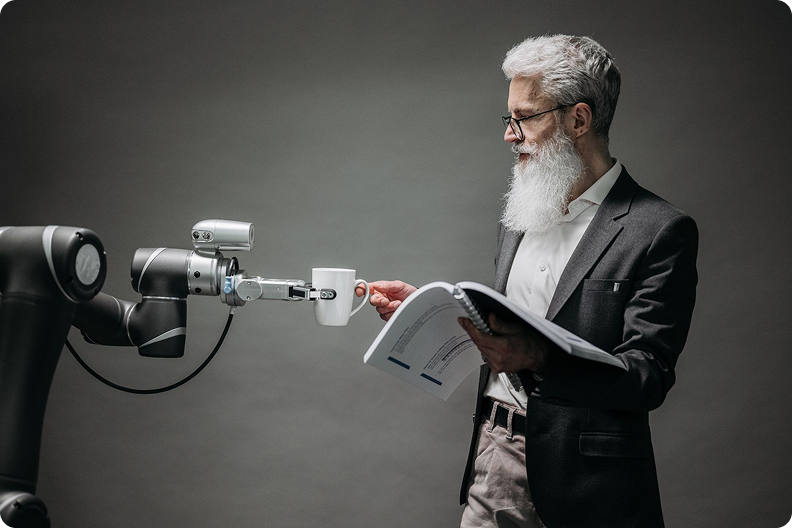
Intelligence Is Getting More Capable
As AI moves into more areas of work and daily life, the burden of supporting it grows too.
Today’s approach repeats too much work to scale efficiently.
The cost of that growth is reflected in rising energy demand.

Coherence Across Change
Arentha was built to lower resource demands by adapting to change and learning what history matters.
New models, tools, and teams can be introduced without disrupting progress.
Reducing unnecessary processing can translate into lower operating costs.
How we work

Learn, Continue.
Past work improves productivity and future outcomes.

Set Boundaries First.
Purpose, permissions, and limits are established before reasoning begins.

Governed Reasoning.
The system uses what the task needs, not everything it has available.

Measure What You Save.
Efficiency should be observable, attributable, and testable.

Make It Verifiable.
The basis for an answer should never be hidden.
Who we are
Arentha brings together people with different backgrounds, experiences, and walks of life. Our paths here include personal experiences with health, careers in technology and design, and years spent working with AI itself. What brought us together was the same conclusion: AI can serve us better. We want to improve not only what it can do, but how it fits into the lives of the people who rely on it. Some may think that sounds naïve. We think that makes us human